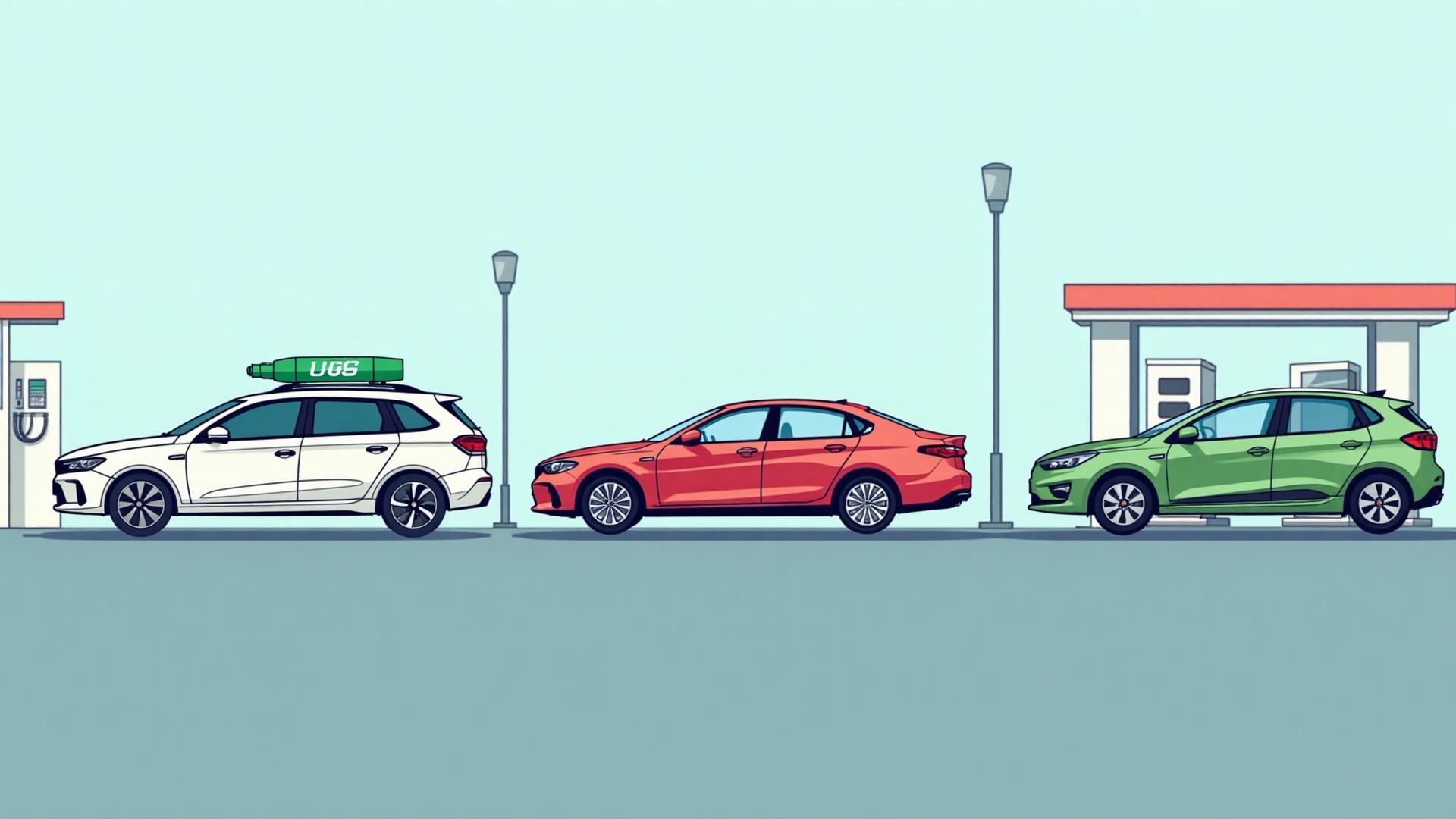
Petrol vs CNG vs EV:
Buying a car in India is no longer just about looks, features, or brand value. Today, the biggest question most buyers ask is simple: Which fuel type actually saves more money in the long run?
With petrol prices staying high, CNG becoming more popular, and electric vehicles entering the mainstream market, Indian buyers are more confused than ever. Some people say EVs are the future. Others believe CNG offers the best balance between savings and practicality. Meanwhile, petrol cars still dominate Indian roads because of convenience and performance.
A few months ago, even I was confused while helping my cousin buy his first car. We spent weeks comparing petrol, CNG, and EV models because the wrong decision could cost lakhs over the next few years. That experience made me realize something important — most online comparisons only talk about specifications, but very few explain real-world ownership costs.
So in this detailed guide, we’ll compare Petrol vs CNG vs EV based on:
Running cost, Maintenance, Mileage, Long-term savings, Daily practicality, City and highway usage, Real ownership experience
If you’re planning to buy a new car in 2026, this article will help you understand which car saves more money in India.
Why Fuel Choice Matters More Than Ever
A few years ago, buyers mostly had two options:
Petrol, Diesel
Now things have changed completely today buyers are considering:
Petrol cars, Factory-fitted CNG cars, Hybrid vehicles, Electric vehicles
And honestly, fuel choice can affect your monthly budget more than the EMI itself.
For example:
A person driving 50 km daily may spend ₹12,000–₹15,000 monthly on petrol.
The same distance in a CNG car may cost nearly half.
An EV can reduce the running cost even further.
That’s why EV vs CNG vs petrol car comparison India has become one of the most searched topics among Indian car buyers.
Petrol Cars: Still the Most Convenient Option?
Despite rising fuel prices, petrol cars continue to dominate the market.
Why?
Because they are: Easier to maintain, More refined, Better for occasional driving, Available everywhere
When I drove my friend’s petrol hatchback for a week, the biggest advantage I noticed was smoothness. There was no worry about charging stations or finding a CNG pump.
But convenience comes at a cost.
Petrol Car Running Cost
Let’s understand real-world expenses.
Example:
Suppose petrol price is ₹105/litre and your car gives:
15 km/l mileage
Then cost per km becomes approximately:
[latex]\frac{105}{15}=7[/latex]
That means: ₹7 per km running cost
If you drive: 1,500 km/month Monthly fuel expense becomes roughly: ₹10,500
This is why many buyers now search: which is cheaper petrol CNG or electric car
Advantages of Petrol Cars
1. Better Performance
Petrol engines feel smoother and more responsive.
2. Lower Initial Cost
Petrol variants are usually cheaper than CNG and EV versions.
3. Easy Fuel Availability
Petrol pumps are everywhere in India.
4. Better for Low Usage
If you drive less than 800–1,000 km monthly, petrol may still make sense.
Disadvantages of Petrol Cars
1. High Fuel Cost
This is the biggest issue today.
2. Rising Petrol Prices
Fuel price hikes directly affect monthly expenses.
3. Lower Mileage Compared to CNG
Especially in city traffic.
CNG Cars: The Middle-Class Favorite
In recent years, CNG vehicles have become extremely popular in India.
And honestly, it’s easy to understand why.
Many taxi drivers, office commuters, and family users now prefer CNG because it dramatically reduces fuel expenses without requiring charging infrastructure like EVs.
When I tested a friend’s CNG sedan in city traffic, the savings felt very noticeable after just a few days.
CNG vs Petrol Car Mileage
One major reason behind CNG popularity is mileage.
Example: A typical CNG car may deliver: 25–30 km/kg
If CNG costs around ₹80/kg:
[latex]\frac{80}{25}=3.2[/latex]
That means: Around ₹3–₹3.5 per km
Compared to petrol: Nearly half the running cost
This is why many people compare CNG vs petrol car mileage before purchasing.
CNG Car Benefits and Disadvantages
Benefits of CNG Cars
1. Lower Running Cost
Biggest advantage for daily commuters.
2. Lower Emissions
Cleaner than petrol.
3. Better Long-Term Savings
Ideal for high monthly driving.
Disadvantages of CNG Cars
1. Reduced Boot Space
Cylinder occupies luggage space.
2. Lower Performance
Slightly less pickup compared to petrol.
3. Long Queues at CNG Stations
Still a common issue in some cities.
4. Limited Fuel Availability in Rural Areas
Not every town has proper CNG infrastructure.
Electric Vehicles: The Future or Still Too Early?
Electric cars have become one of the hottest trends in India.
Brands like: Tata, MG, Mahindra, Hyundai, are investing heavily in EV technology.
At first, I believed EVs were only for tech enthusiasts. But after talking to a few EV owners, I realized the biggest attraction is not technology — it’s savings.
Electric Car Running Cost in India
This is where EVs surprise most buyers.
Example: Suppose an EV consumes: 15 kWh for 100 km And electricity cost is ₹8 per unit
Then total cost becomes: 15*8=120
That means: ₹120 for 100 km Roughly ₹1.2 per km
Compared to: Petrol = ₹7/km, CNG = ₹3/km
EVs are significantly cheaper to run.
This is why electric car running cost in India attracts so many buyers.
Petrol vs Electric Car Maintenance Cost
One surprising thing about EV ownership is low maintenance.
Unlike petrol cars, EVs do not require Engine oil changes, Clutch replacement, Gearbox servicing, Complex engine maintenance
A friend using an electric hatchback told me his yearly service bill was less than ₹3,000.
Meanwhile, petrol cars often cost much more annually.
So in petrol vs electric car maintenance cost comparison, EVs clearly win.
The Biggest Problems With EVs
Despite low running costs, EVs still have some major limitations.
1. High Initial Price
EVs are expensive upfront.
2. Charging Infrastructure
Still improving in India.
3. Charging Time
Unlike petrol or CNG, charging takes time.
4. Battery Replacement Anxiety
Many buyers worry about long-term battery costs.
EV vs Petrol Car Cost Comparison
Let’s compare approximate yearly fuel expenses for 15,000 km driving.
Fuel Type Approx Cost Per Km Annual Fuel Cost
Petrol ₹7 ₹1,05,000
CNG ₹3.2 ₹48,000
EV ₹1.2 ₹18,000
The difference is huge. However, you must also consider Purchase price Charging convenience Driving habits
This is why EV vs petrol car cost comparison depends heavily on your lifestyle.
Which Car Saves More Money in India?
Now comes the most important question: Which car saves more money in India?
The answer depends on your usage.
Choose Petrol If:
You drive less than 1,000 km monthly, You want hassle-free ownership, You frequently travel long distances, Charging/CNG infrastructure is weak in your area
Choose CNG If:
You drive daily, Your city has enough CNG stations, You want lower running costs without EV anxiety, You want practical middle-ground savings
For many middle-class Indian families, CNG currently offers the best fuel option for cars in India.
Choose EV If:
Your daily running is very high, You mostly drive within city limits, You can install home charging, You plan long-term ownership
In terms of pure running cost, EVs are unbeatable today.
Real Ownership Experience Matters More Than Specs
One thing I learned while comparing cars is this:
Real ownership experience matters far more than brochure specifications.
Many buyers only look at:Horsepower, Touchscreen size, Features
But after a few months, what really matters is: Fuel expense, Maintenance cost, Reliability, Convenience
A slightly cheaper fuel option can save lakhs over five years.
Best Fuel Option for Cars in India in 2026
If someone asked me today:
What is the best fuel option for cars in India?
I would answer like this:
Petrol: Best for low usage and convenience.
CNG: Best balance between affordability and practicality.
EV: Best long-term savings for heavy city users.
There is no universal winner because every buyer’s lifestyle is different.
Things You Must Calculate Before Buying
Before making a final decision, calculate: Monthly driving distance, Fuel availability in your city, Service network, Parking and charging availability Long-term ownership plans
These factors matter more than social media trends.
Final Verdict: Petrol vs CNG vs EV
After comparing all three options closely, here’s the simple conclusion:
Petrol Cars, Convenient, Refined, Expensive to run
CNG Cars, Practical, Affordable Best for middle-class commuters
EVs, Cheapest running cost, Eco-friendly, Still developing infrastructure
Personally, I feel CNG currently offers the smartest balance for most Indian buyers. But for heavy city users with home charging access, EVs can save the most money in the long run.
The Indian car market is changing rapidly, and fuel choice is now one of the biggest financial decisions for any car buyer.
So instead of blindly following trends, choose the option that genuinely fits your driving needs and budget.
Frequently Asked Questions (FAQ)
Which is cheaper petrol CNG or electric car?
Electric cars usually have the lowest running cost, followed by CNG and then petrol.
What is the electric car running cost in India?
Most EVs cost around ₹1–₹2 per km depending on electricity rates.
Is CNG better than petrol?
For daily commuters, CNG can significantly reduce fuel expenses.
Are EVs cheaper to maintain?
Yes. EVs generally have lower maintenance costs than petrol cars.
Which car saves more money in India?
For long-term city usage, EVs save the most money. For balanced practicality and savings, CNG is often the better choice.