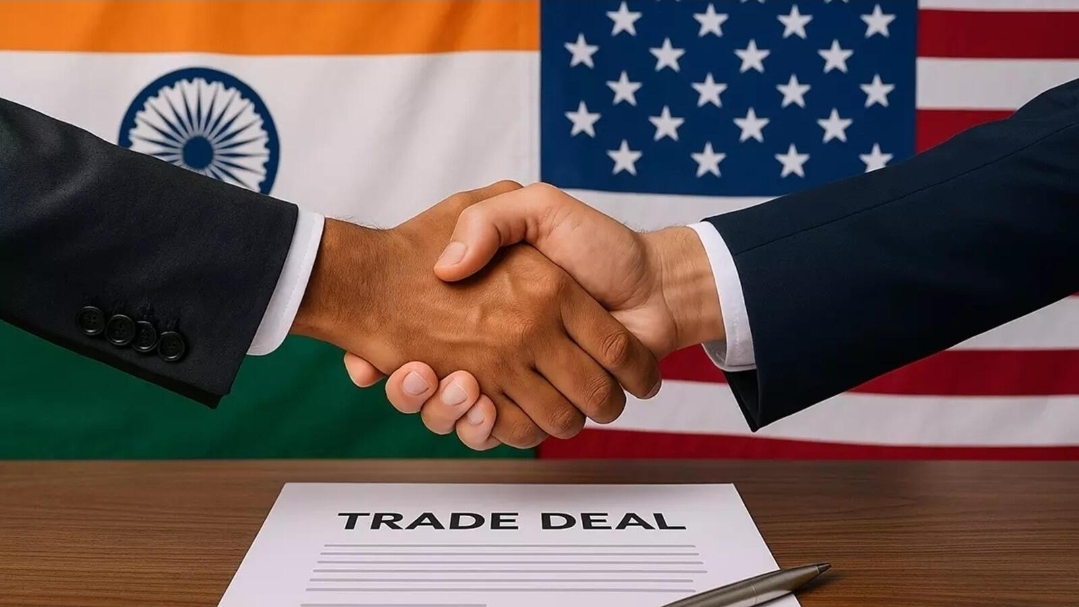
The global economic landscape could be heading toward a major transformation as India reportedly commits to buying nearly $500 billion worth of goods from the United States over the coming years. This ambitious move has sparked intense discussions among economists, business leaders, policymakers, and geopolitical analysts worldwide. Many experts believe this development could redefine the future of India US relations and significantly strengthen the India US economic partnership.
At a time when global trade patterns are shifting rapidly due to geopolitical tensions, supply chain diversification, and economic uncertainty, this massive India US trade deal is being seen as more than just a commercial agreement. It represents strategic trust, long-term economic cooperation, and a shared vision between two of the world’s most influential democracies.
The announcement has already become one of the biggest topics in India trade news, with experts calling it a “historic economic moment” for both nations.
Why Is This $500 Billion US Goods Deal So Important?
The proposed $500 billion US goods deal is enormous by global trade standards. It signals India’s willingness to deepen its commercial relationship with America while simultaneously reducing dependency on certain other international markets.
The deal is expected to include imports across multiple sectors such as:
– Defense equipment
– Energy products
– Advanced technology
– Aircraft and aviation components
– Semiconductors
– Medical devices
– Agricultural commodities
– Industrial machinery
If implemented successfully, the agreement could dramatically boost US India bilateral trade, which has already been growing steadily over the last decade.
According to trade analysts, this move may also help India secure stronger access to American technology, investments, and innovation ecosystems.
Experts Say This Could Transform Global Trade Dynamics
Several international trade experts believe the India US import deal could reshape global economic alliances. In recent years, countries around the world have started diversifying supply chains and reducing overdependence on single markets.
India’s growing strategic alignment with the United States comes at a crucial time. The two nations are increasingly cooperating in defense, digital infrastructure, artificial intelligence, clean energy, and semiconductor manufacturing.
Economic experts argue that India buying US goods on such a massive scale could:
– Strengthen India’s manufacturing ecosystem
– Improve energy security
– Generate new employment opportunities
– Increase investor confidence
– Expand bilateral technology partnerships
– Boost long-term GDP growth
Many also believe this agreement could position India as one of America’s most important economic partners in Asia.
India US Relations Enter a New Era
The relationship between India and the United States has evolved significantly over the past two decades. What once revolved primarily around diplomacy and defense has now expanded into trade, innovation, digital transformation, education, healthcare, and climate cooperation.
The latest India US trade deal is being viewed as another milestone in this evolving partnership.
Political experts suggest that both countries now see each other not just as allies, but as long-term strategic partners capable of influencing the future global order.
India’s growing economy, massive consumer market, and expanding middle class make it an attractive trade destination for American companies. At the same time, India benefits from access to advanced American technologies and investment opportunities.
This mutual dependency is strengthening India US relations in ways that extend far beyond commerce.
Donald Trump India Deal Debate Returns
Interestingly, discussions surrounding the new trade commitment have also revived conversations about the earlier Donald Trump India deal negotiations.
During Donald Trump’s presidency, India and the United States held multiple rounds of trade discussions focused on tariffs, defense purchases, and market access. While some agreements moved forward, several complex issues remained unresolved at the time.
Now, many political commentators are comparing the current developments with those earlier negotiations.
Some analysts believe the foundations of today’s expanding India US economic partnership were laid during previous administrations, including during Trump’s tenure.
The renewed focus on bilateral trade indicates that regardless of political leadership changes, economic cooperation between India and the United States remains a strategic priority for both countries.
Marco Rubio India Statement Draws Attention
Another major talking point in recent India trade news has been the Marco Rubio India statement regarding stronger US-India cooperation.
American lawmakers from both major political parties have increasingly emphasized the importance of building deeper economic and strategic ties with India.
Rubio and several other US leaders have repeatedly highlighted India’s growing role in maintaining economic stability and regional balance in Asia.
Experts say such statements reflect bipartisan American support for closer engagement with India, especially in areas like:
– Defense collaboration
– Semiconductor manufacturing
– Supply chain resilience
– Technology partnerships
– Counterterrorism cooperation
– Clean energy investments
This bipartisan support could further accelerate the implementation of large-scale trade agreements between the two countries.
How India Buying US Goods Could Impact Common People
While discussions around billion-dollar trade agreements often sound distant from everyday life, the effects can eventually reach ordinary citizens in meaningful ways.
The India buying US goods initiative could influence sectors that directly impact consumers and businesses.
1. Better Access to Technology
Increased imports of American technology products and components may help Indian companies improve manufacturing quality and innovation capabilities.
2. Job Creation
New investments and expanded trade partnerships often create employment opportunities in logistics, manufacturing, IT services, infrastructure, and engineering.
3. Energy Stability
If India imports more US energy products like LNG and crude oil, it may help diversify India’s energy supply sources.
4. Boost for Indian Exports
Trade partnerships are usually reciprocal. As India increases imports, it may also gain improved access for Indian products in American markets.
5. Startup Ecosystem Growth
Closer India US economic partnership can attract venture capital investments into India’s growing startup ecosystem.
Challenges Experts Are Warning About
Despite the excitement, some economists are urging caution.
Large-scale trade commitments come with challenges that both governments must carefully manage.
Trade Imbalance Concerns
Some experts worry that excessive imports without matching export growth could widen trade imbalances.
Pressure on Domestic Industries
Certain Indian industries may face increased competition from imported American products.
Currency Risks
Fluctuations in currency exchange rates could affect the long-term financial viability of large import agreements.
Policy Stability
Long-term trade deals require consistent political and economic policies across changing administrations.
Analysts stress that the success of the India US import deal will depend on balanced implementation that benefits both countries fairly.
Why Global Investors Are Watching India Closely
The announcement has generated strong interest among global investors.
India is already one of the fastest-growing major economies in the world. Massive trade commitments with the United States further strengthen investor confidence in India’s long-term economic trajectory.
Several global investment firms believe India could become a major manufacturing and export hub over the next decade.
Factors supporting investor optimism include:
– Rapid infrastructure growth
– Digital transformation
– Young workforce
– Expanding consumer market
– Government manufacturing initiatives
– Geopolitical stability compared to some regions
The growing US India bilateral trade relationship adds another layer of credibility to India’s economic ambitions.
Strategic Importance Beyond Economics
Experts say the significance of this deal extends beyond trade numbers.
The India US economic partnership also has major geopolitical implications.
Both countries are increasingly cooperating to maintain stability in the Indo-Pacific region. Economic cooperation strengthens diplomatic trust and strategic alignment.
In today’s world, economic partnerships often influence defense cooperation, technology sharing, and global political alliances.
That is why many foreign policy experts see this India US trade deal as part of a broader long-term strategic framework.
Could This Deal Change India’s Global Position?
Many believe it already is.
India is increasingly positioning itself as a major global economic and geopolitical power. Stronger ties with the United States may accelerate this transformation.
As global companies look for alternatives in manufacturing and supply chains, India has an opportunity to emerge as a preferred destination.
The $500 billion US goods deal sends a powerful message that India is ready to play a larger role in shaping the future global economy.
Experts believe this could help India:
– Attract foreign investments
– Increase technological capabilities
– Strengthen defense preparedness
– Expand international influence
– Enhance manufacturing competitiveness
Social Media Buzz Around the Deal
The internet has exploded with reactions to the announcement.
On social media platforms, users are debating whether the agreement will primarily benefit India, the United States, or both equally.
Hashtags related to India trade news, India US relations, and US India bilateral trade have started trending among business communities and political observers.
Some users are praising the move as visionary economic diplomacy, while others are demanding more transparency regarding implementation details.
This mix of excitement and skepticism reflects how important the deal could become for the future of both nations.
What Happens Next?
Although the headlines are grabbing global attention, experts note that the real challenge lies in execution.
Trade agreements of this scale involve:
– Regulatory coordination
– Policy negotiations
– Infrastructure planning
– Financial arrangements
– Industry consultations
– Diplomatic engagement
Implementation could take years, but the strategic intent behind the announcement is already sending powerful signals to global markets.
If managed effectively, this India US import deal could become one of the defining economic partnerships of the decade.
Final Thoughts
The proposed India US trade deal worth $500 billion is far more than a simple commercial arrangement. It represents the growing trust, ambition, and strategic alignment between two powerful democracies.
As India US relations continue to strengthen across defense, technology, trade, and innovation, the world is watching closely to see how this partnership evolves.
Whether viewed from an economic, geopolitical, or strategic perspective, the deal has the potential to influence global markets, reshape supply chains, and redefine international partnerships for years to come.
While challenges certainly remain, one thing is clear: the India US economic partnership is entering a bold new chapter — and the impact could be historic.